RAMS
Objective
- Role: Senior Designer & Strategic Lead
- Scope: 10+ Enterprise Modules | Full Lifecycle Strategic Governance
- Stakeholders: Sales Director (Robert Shelnutt), Business Analysts, SSTech Development Team
The primary goal of the RAMS ERP was to break the “paper ceiling.” By automating the flow of data, the system successfully reduced worker onboarding from nearly a week to less than 24 hours and allowed administrative staff to manage 4x the volume of workers compared to manual processes.
Transformation
- Velocity: Onboarding was slashed from 5 days to under 24 hours.
- Accuracy: Automated payroll validation dropped error rates from 12% to <1%.
- Scale: Admin capacity increased 400% (1 coordinator could now manage 200 workers instead of 50).
- Engagement: Achieved a 98% field adoption rate, proving that even industrial workforces will embrace tech if the UX respects their environment.
Discovery
When I joined the RAMS Modernization project, the organization was at a crossroads. As a leading construction staffing firm, their growth was being throttled by a “Paper Ceiling.” Thousands of skilled tradesmen were being managed through fragmented manual processes, leading to massive data latency and high operational risk.
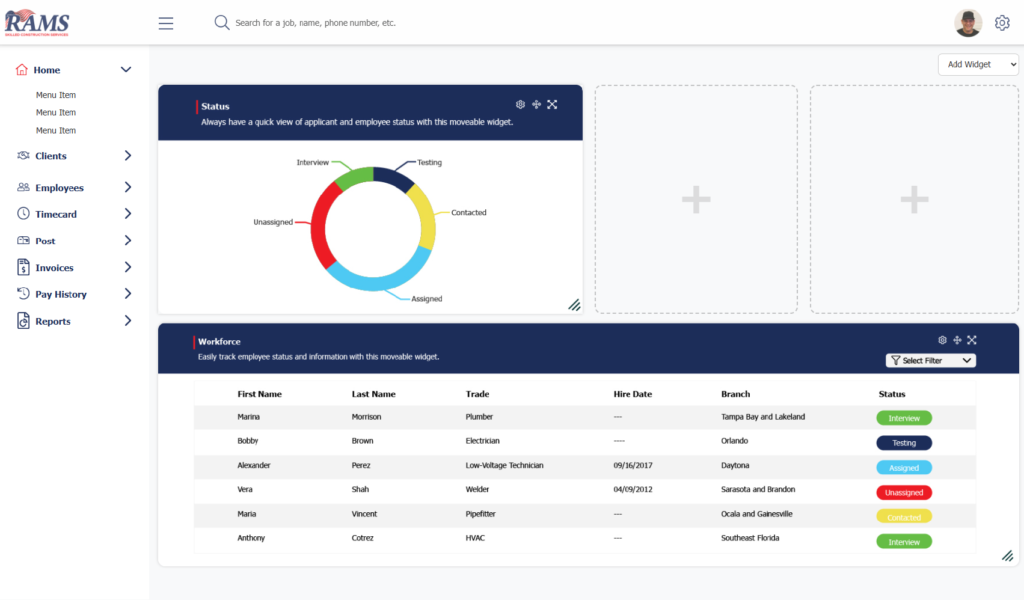
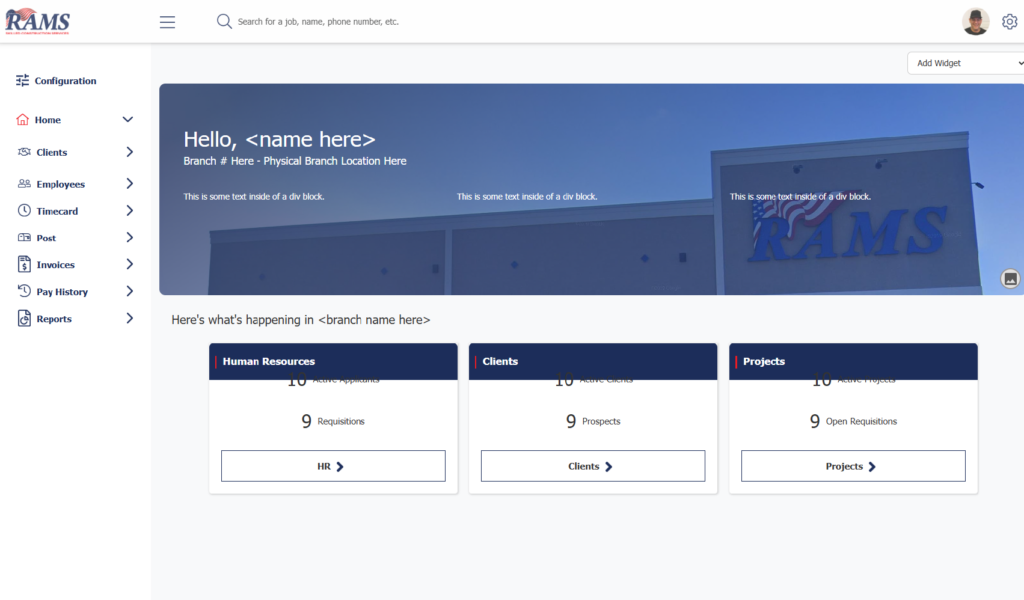
As Senior Designer, my mandate was to architect a unified HCMS (Human Capital Management System). This was not a surface-level UI project; it was the engineering of a company-wide “Operating System” designed to scale with RAMS’s multi-million dollar ambitions.
Core Modular Architecture
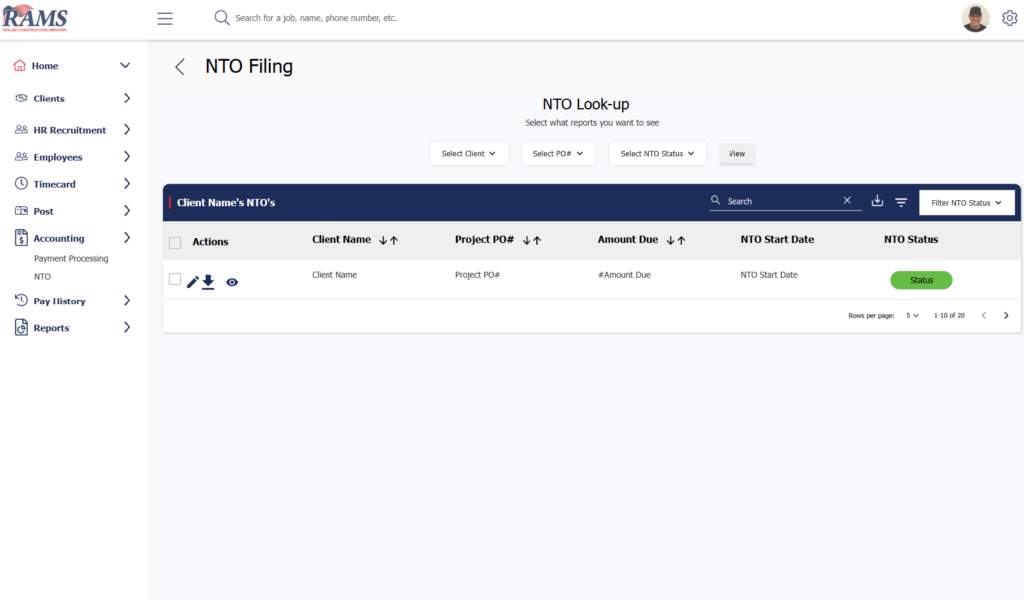
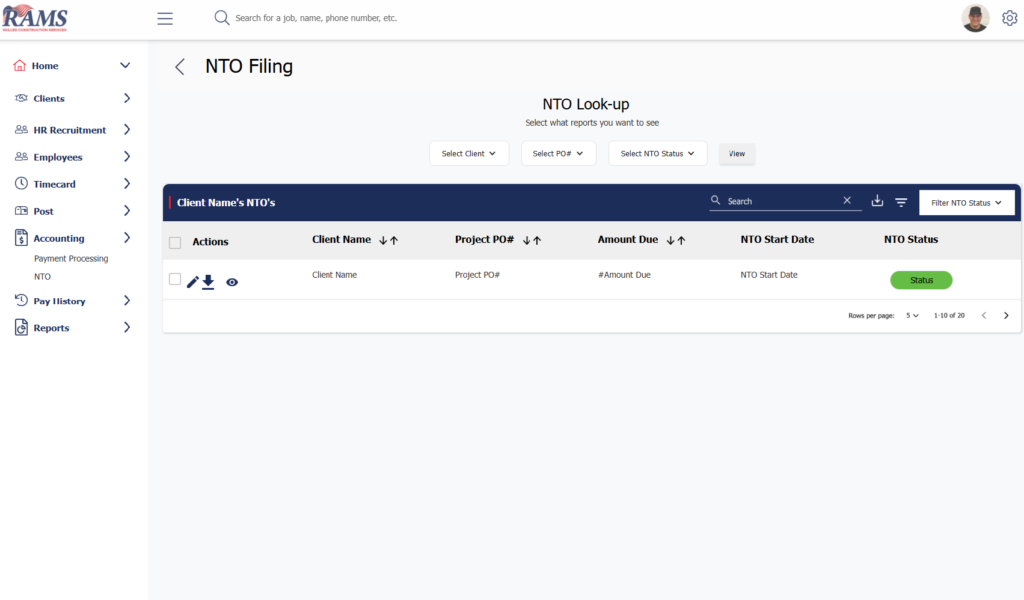
Accounting & Collections: Manages the “Quote-to-Cash” cycle. It includes high-stakes legal workflows like NTO (Notice to Owner) Filings and LIEN Releases, integrated with third-party APIs (like Sunray) to track payment deadlines at 44 and 70-day intervals.
Timecard, Invoice, & Payroll: This is the financial engine. It allows branch staff to upload timecards, which then enter a “Ready” queue for corporate review. It handles complex logic like Split Invoices (where multiple entities share project costs) and Payroll Generation for thousands of tradesmen.
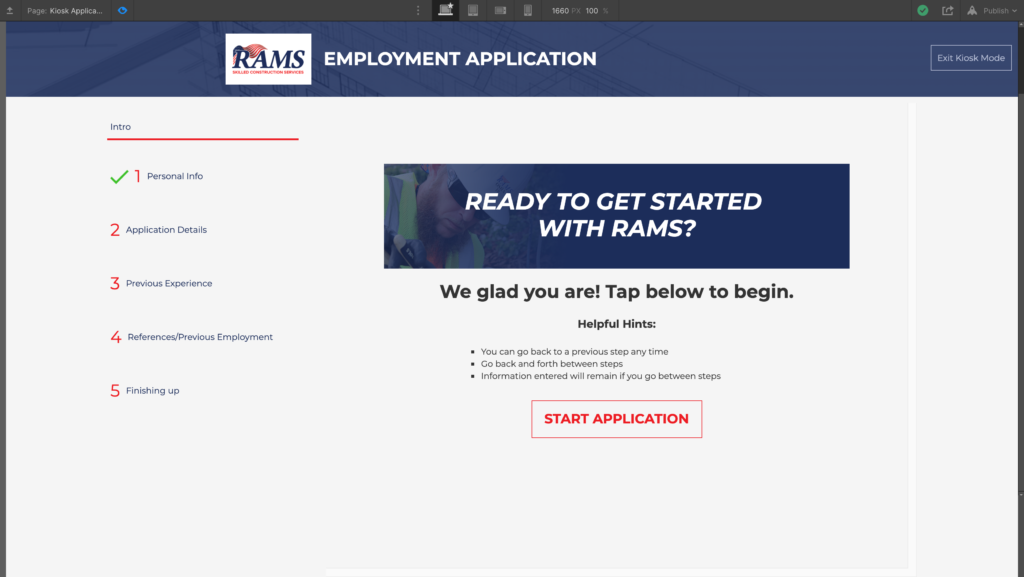
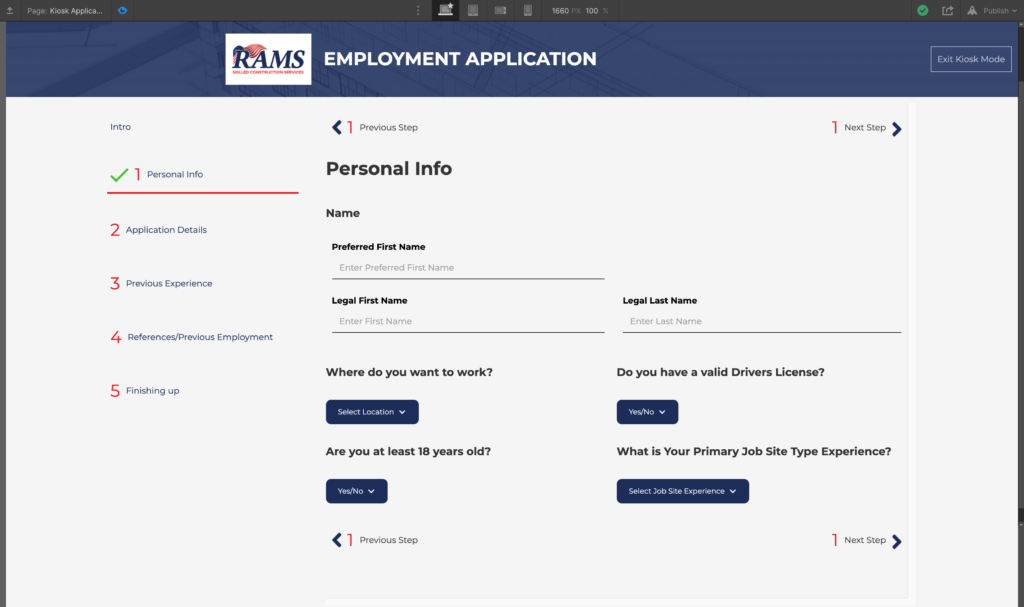
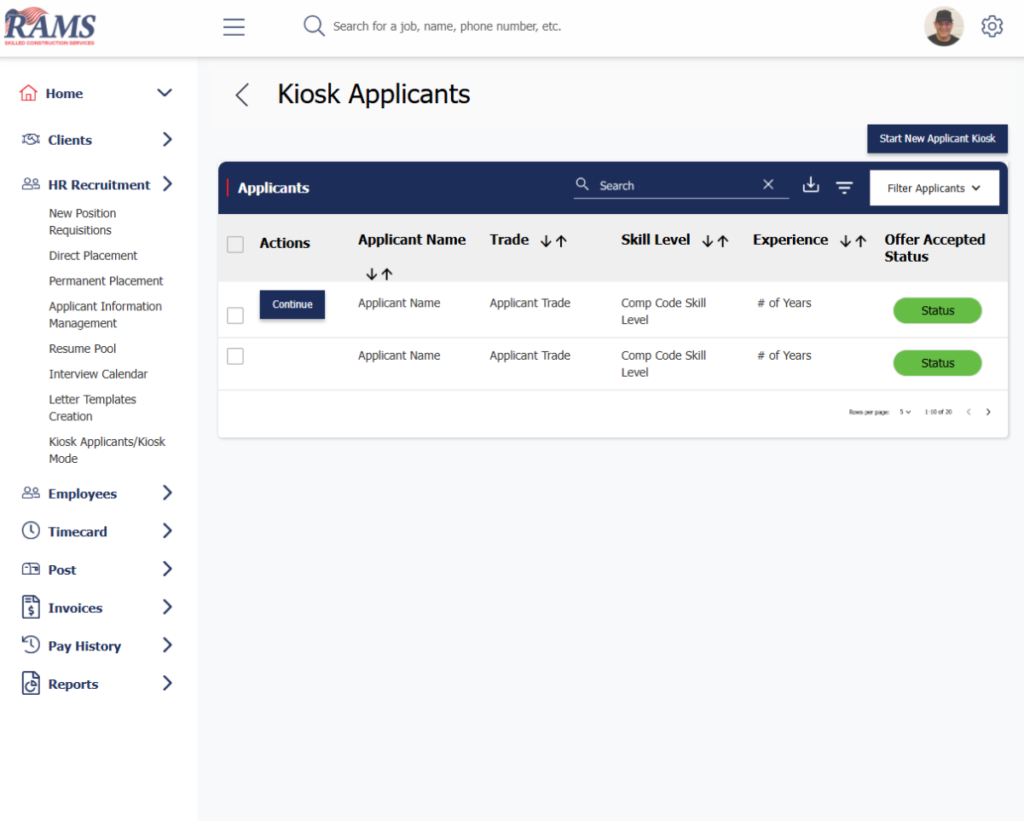
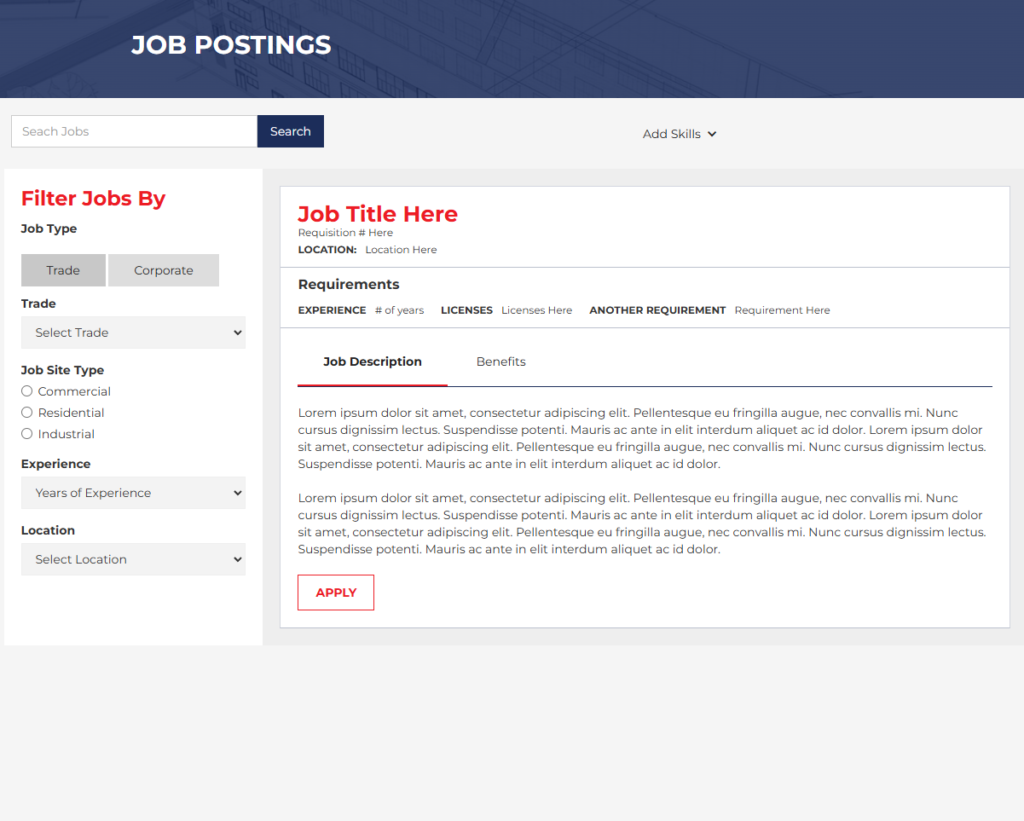
HR & Recruitment (AIM): The Applicant Information Management system tracks candidates from their first interaction through background checks and I-9 compliance. It includes a Resume Bank and an automated Interview Booking system integrated with Outlook.
Training & Jumpstart: A specialized module to manage worker development. It tracks attendance and certifications, specifically triggering “Auto-Raises” once workers hit specific hour milestones (e.g., 160 or 620 hours) in the program.
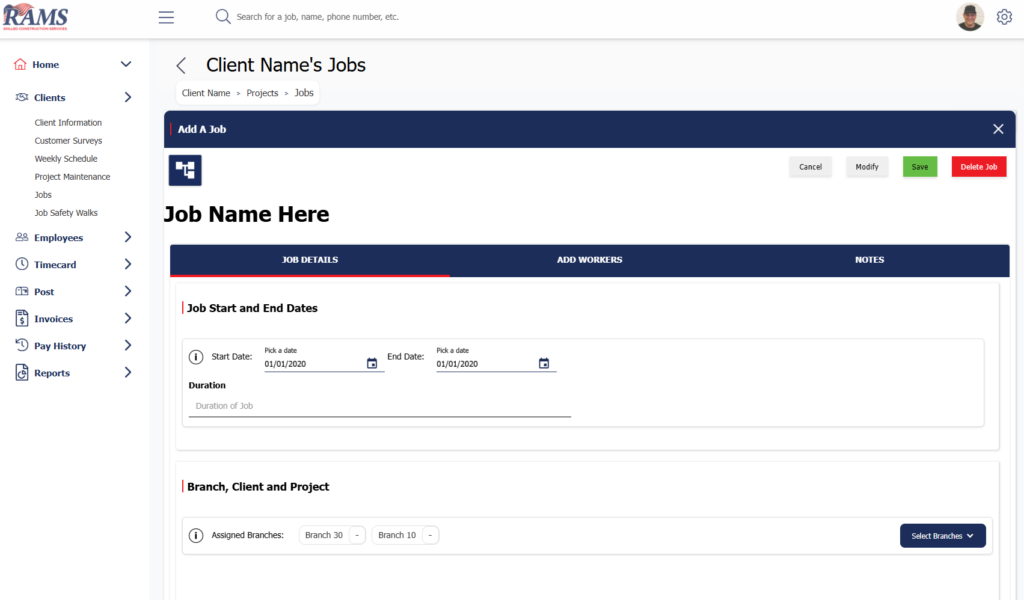
Job & Customer Management: Centralizes client data and project details. It tracks the status of GSAs (General Service Agreements) and features a mobile-friendly Job Safety Walk tool for field supervisors to document site conditions and upload photos.
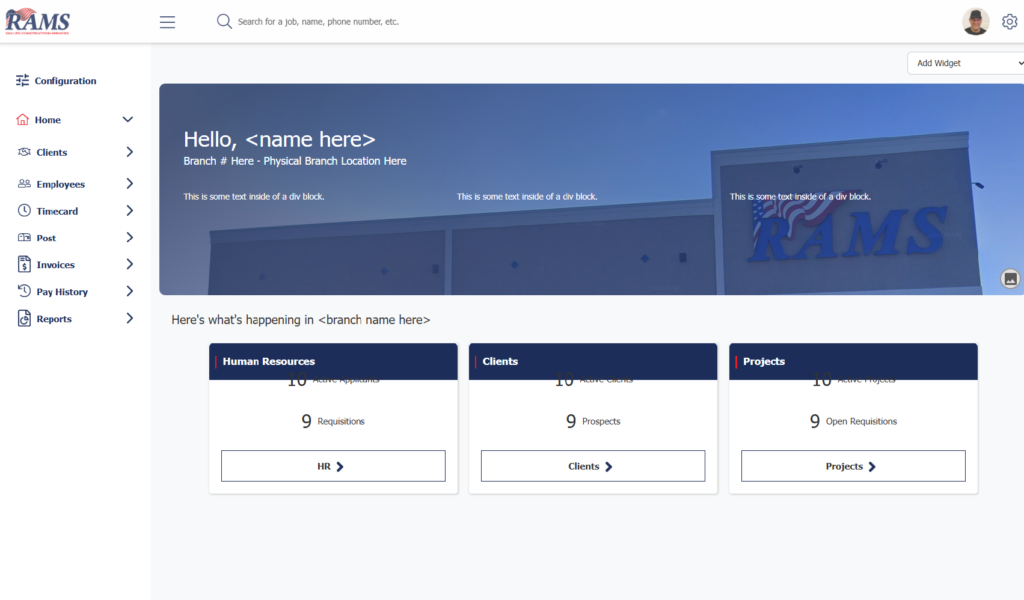
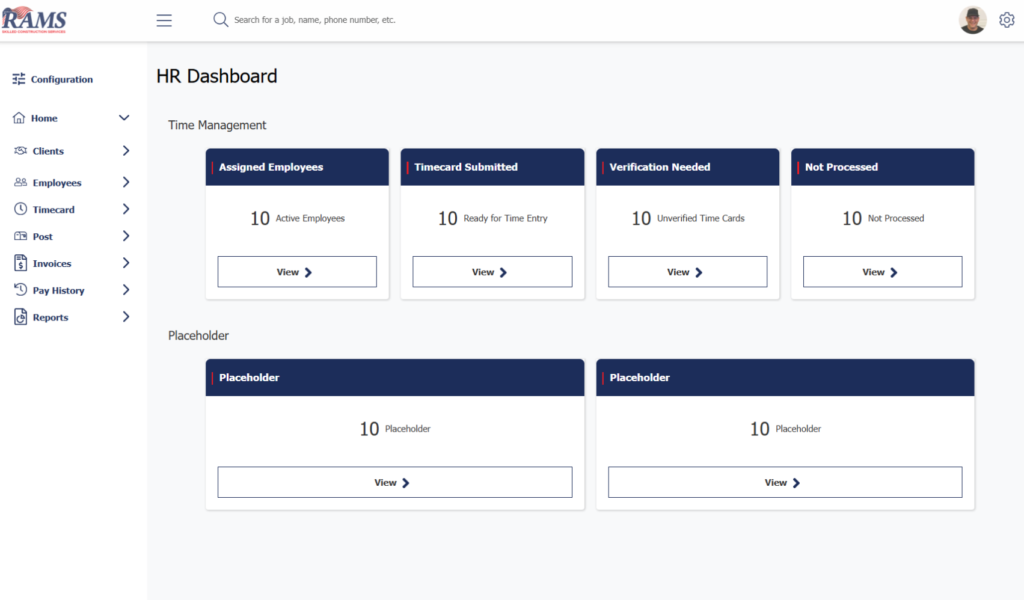
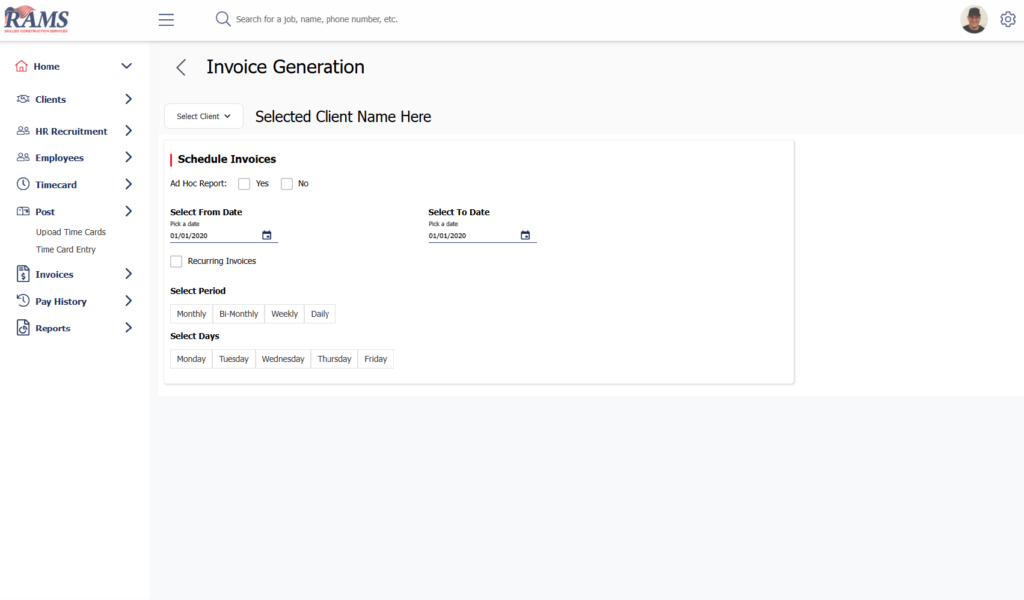
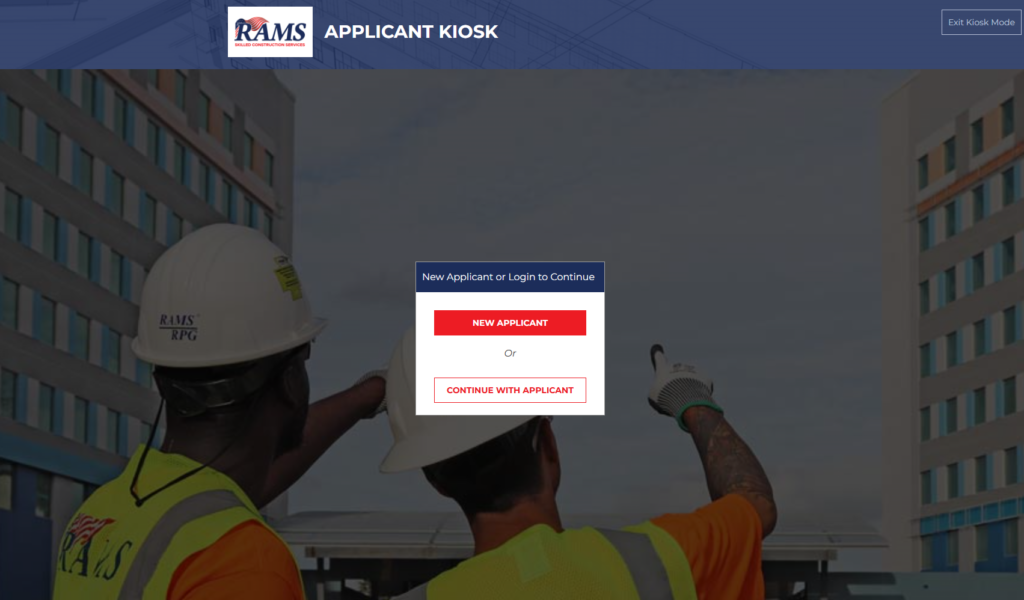
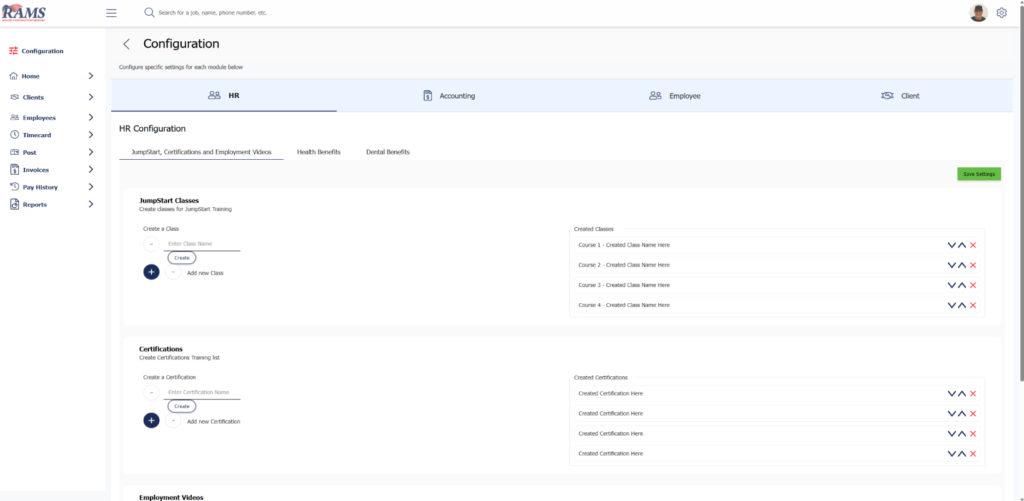
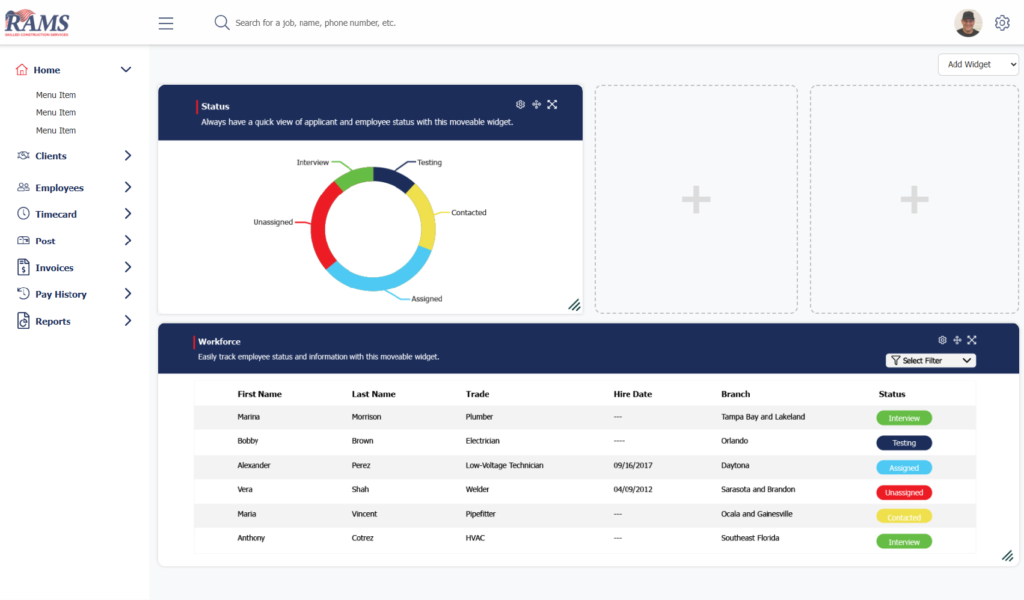
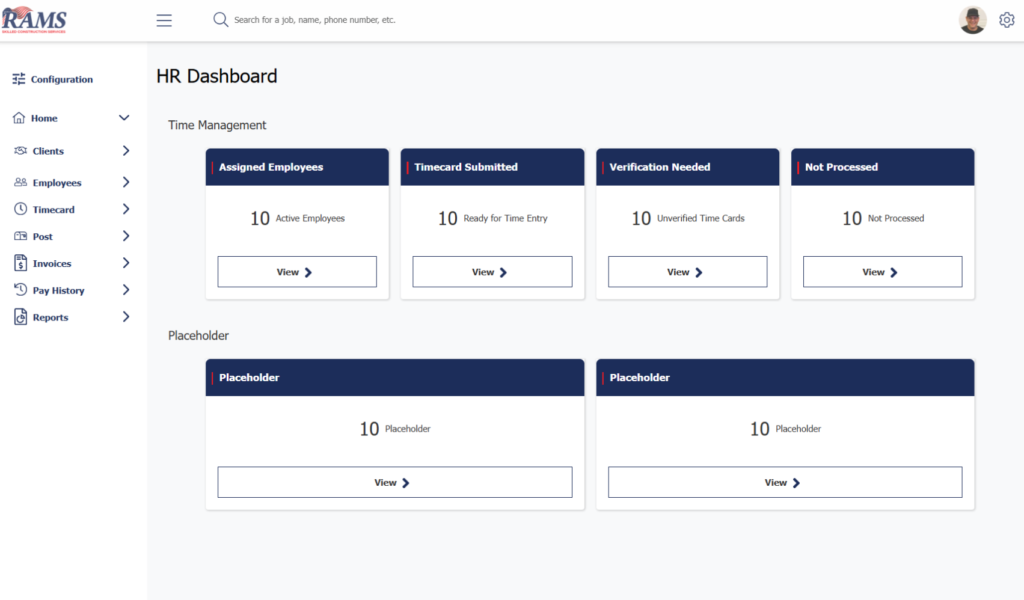
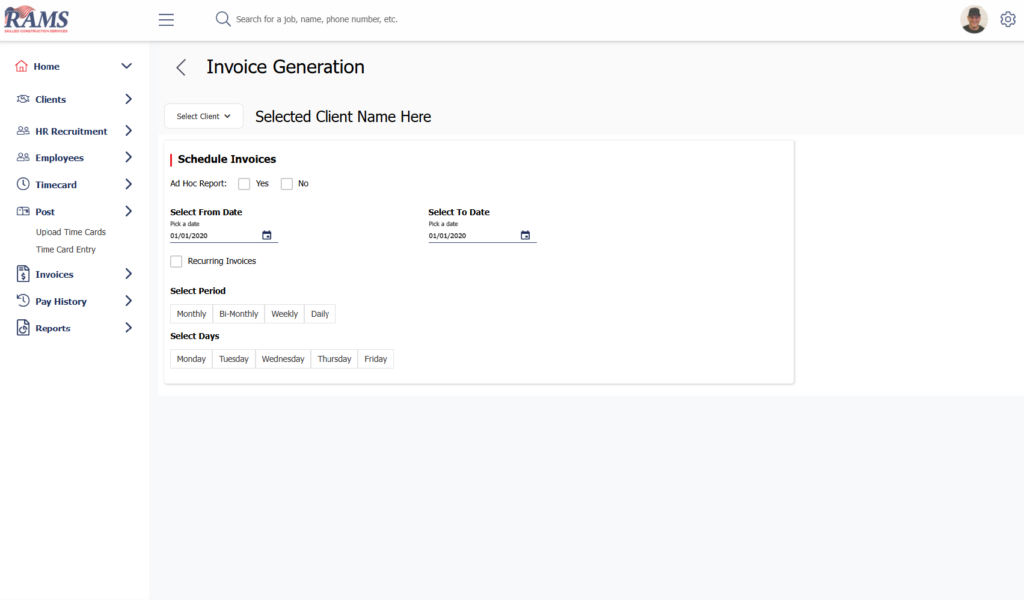
Strategic Design Features
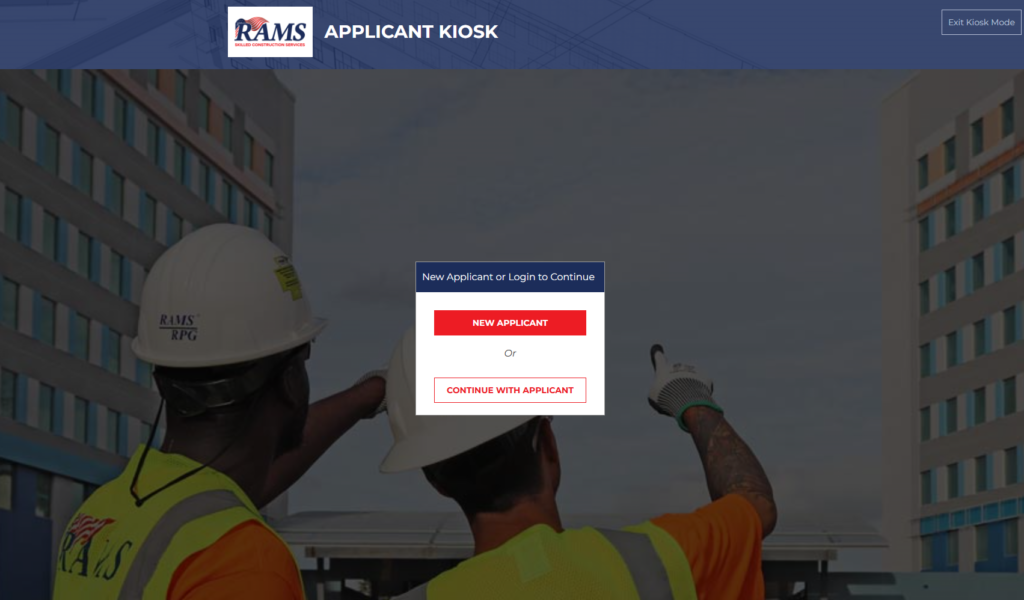
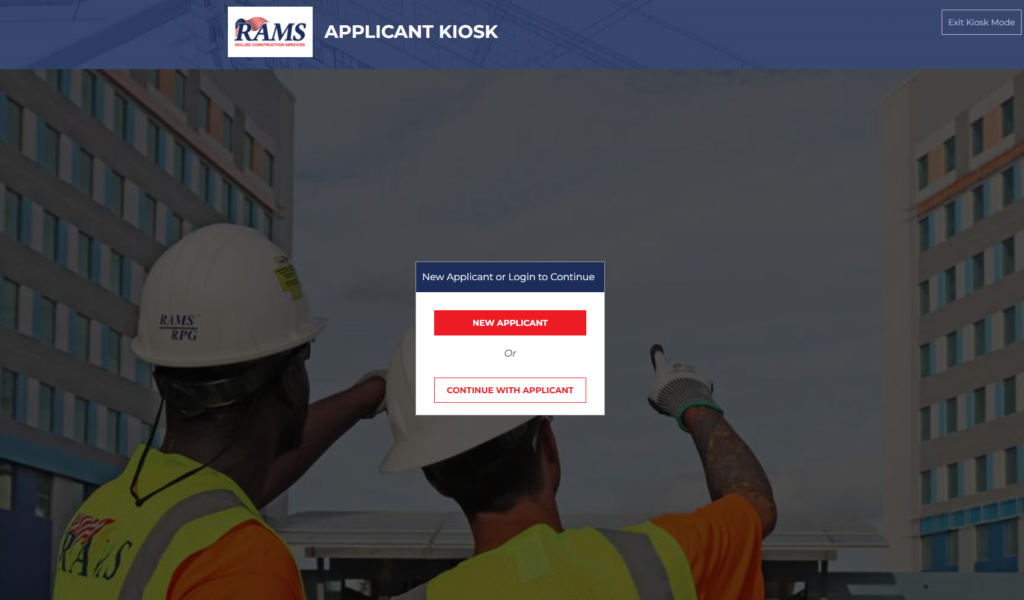
Adaptive Kiosk Mode: A specialized UI state that allows the complex recruitment module to toggle into a simplified, public-facing interface for use at tradeshows.
Role-Based Access Control (RBAC): A strict security layer that ensures users only see the data relevant to their role (e.g., a Branch Manager vs. a Corporate Accountant).
Field-to-Office Sync: Many modules were designed for “Environmental UX,” meaning they were optimized for mobile use on loud, bright, or high-stress construction sites.